
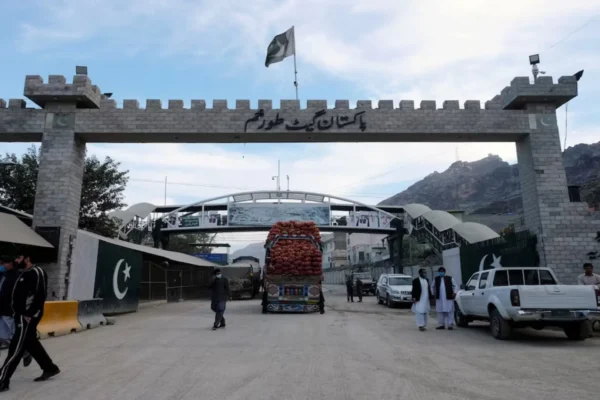










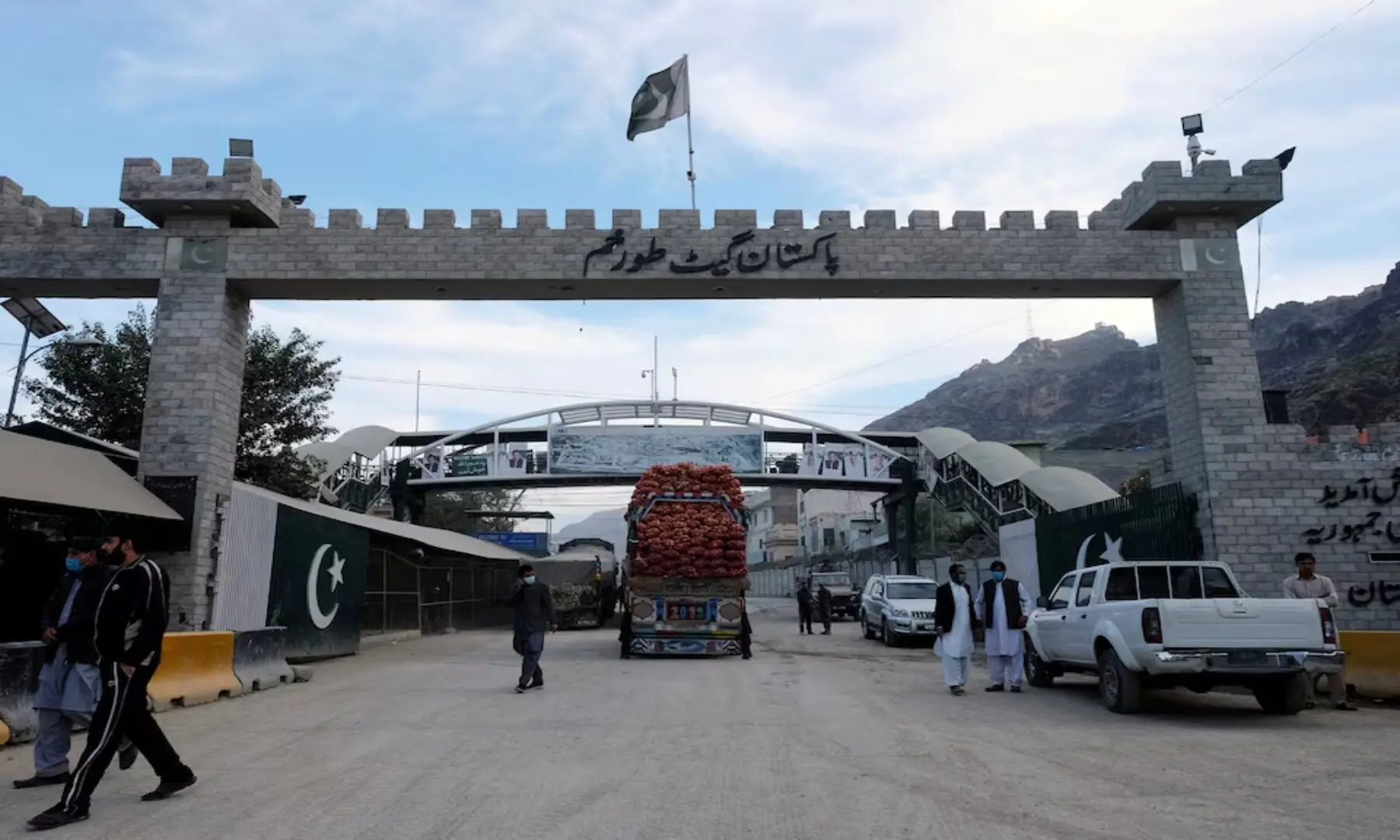
The suspension of bilateral trade between Pakistan and Afghanistan has affected both countries, but available trade data shows that Afghanistan has suffered far greater economic damage. Since October 10, Afghan export losses have reached nearly 10 per cent, compared to about 0.6 per cent for Pakistan. This disparity reflects Afghanistan’s heavy reliance on the Pakistani market, which absorbs almost half of its total exports and serves as a vital transit route to India.
Pakistan’s overall exposure to Afghan trade is relatively limited, as Afghanistan accounts for only around 3.5 per cent of Pakistan’s total exports. While certain sectors — such as cement, pharmaceuticals, rice, and transport-linked businesses in Khyber Pakhtunkhwa — have faced losses, the national economy has been largely shielded from severe impact. However, prolonged disruptions risk permanently shifting Afghan importers toward alternative suppliers in Iran, Central Asia, and Turkey.
Extended border closures threaten lasting damage to regional trade networks. Afghanistan may struggle to find alternative markets for its fruit and vegetable exports, which form the backbone of its export economy, while Pakistan risks losing market share and future transit opportunities to Central Asian states. Without timely diplomatic engagement, both countries could face weakened economic ties that may prove difficult to restore even after borders reopen.


Alright, so I downloaded the zh88gameapk. Installation was simple, even for a tech dummy like me! Games are fun, good way to kill some time. Find it here: zh88gameapk